

Voice Lessons
It takes years to master any instrument. Together, we will work diligently, effectively, scientifically, and holistically to build, grow or repair your instrument so that you optimize its potential, even as we age.
Lessons are extremely precise and efficient, with technical training that nurtures and caters to the specific voice, age, and singer’s goals. The music is our guide to artistry, emoting through continued vocal development and building confidence.
Lessons are offered in-person OR online.
“Express yourself freely.”
Do you have any of these vocal faults?
Pitch
Pitchiness (flat or sharp)
Losing notes
Can’t sing every vowel on every pitch
Tensions
Shaky jaw
Pain while singing
Pulling chest too high
Breath
Breathy, weak tone
Running out of breath
Not able to hold or sustain notes
Vocal Freedom
Menopause changes in the voice
Losing your voice
Voice cracks
Lack of stamina or endurance
Feeling constrained
No vocal/artistic freedom
Tone
Raspiness
No vibrato
Wobble/excessive tremolo in vibrato
Can’t sing at different volumes
Vowels not understandable
Text/lyrics not understandable
Versatility
Less than 2 ½ octave range
Can’t sing various genres
Lacking registers in the voice and their blend
Lacking power in the MIDDLE of your range
What people are saying…
From REAL students.
-
![]()
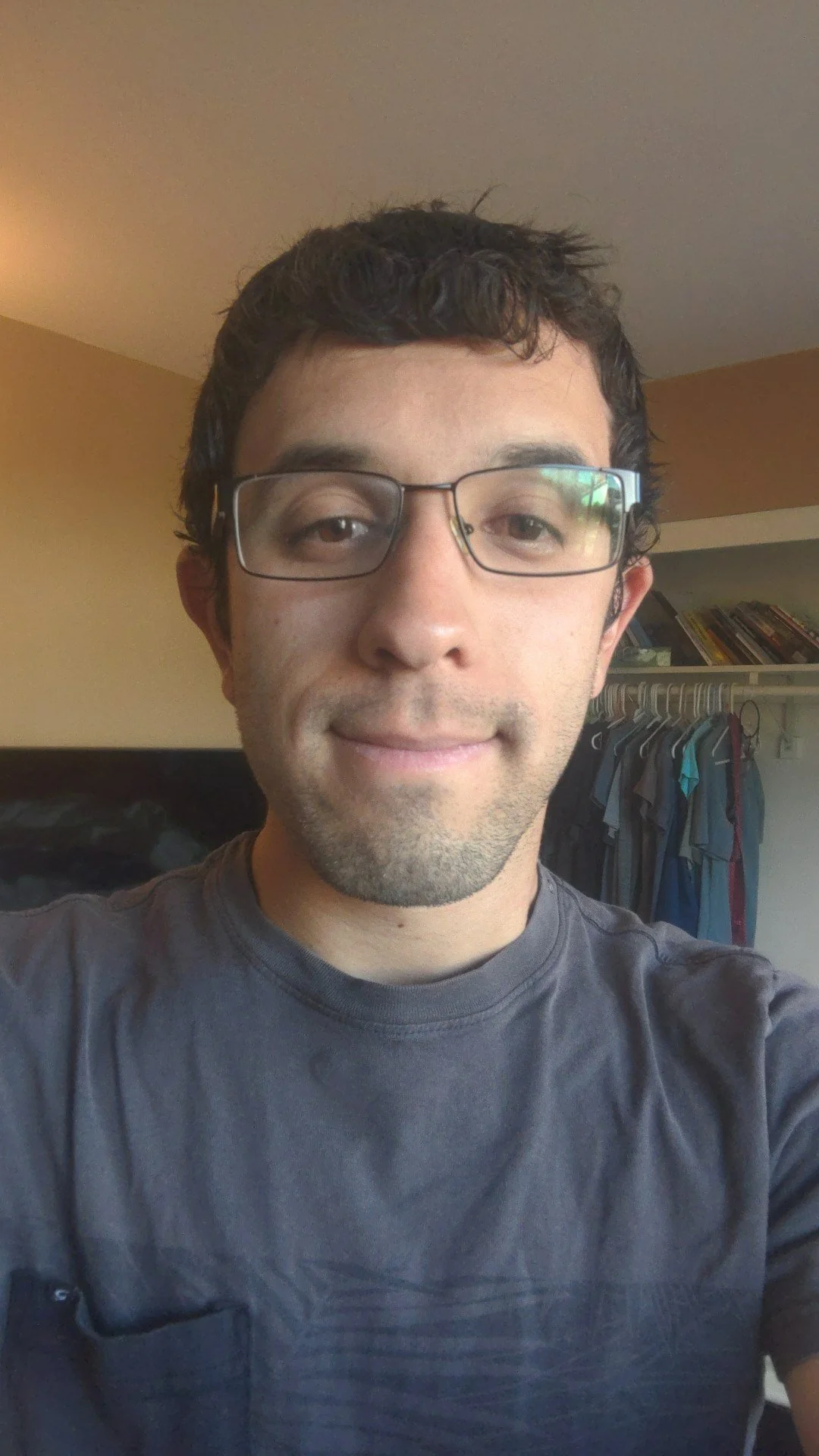
Working with Tara Eisenhauer has improved me so much as a musician, a singer, a worker and I think as a person overall. Having the chance to take lessons has drastically improved my voice, it has expanded my range and has made my voice stand out when I want it to and blend with other voices when I want it too as well. She manages to help this much while being a very accepting person for all backgrounds and skill levels. Anyone who needs vocal lessons, I implore you to take lessons with Tara Eisenhauer, it won't be a cakewalk, but it's well worth it you want to improve!
Daniel S.
-
![]()
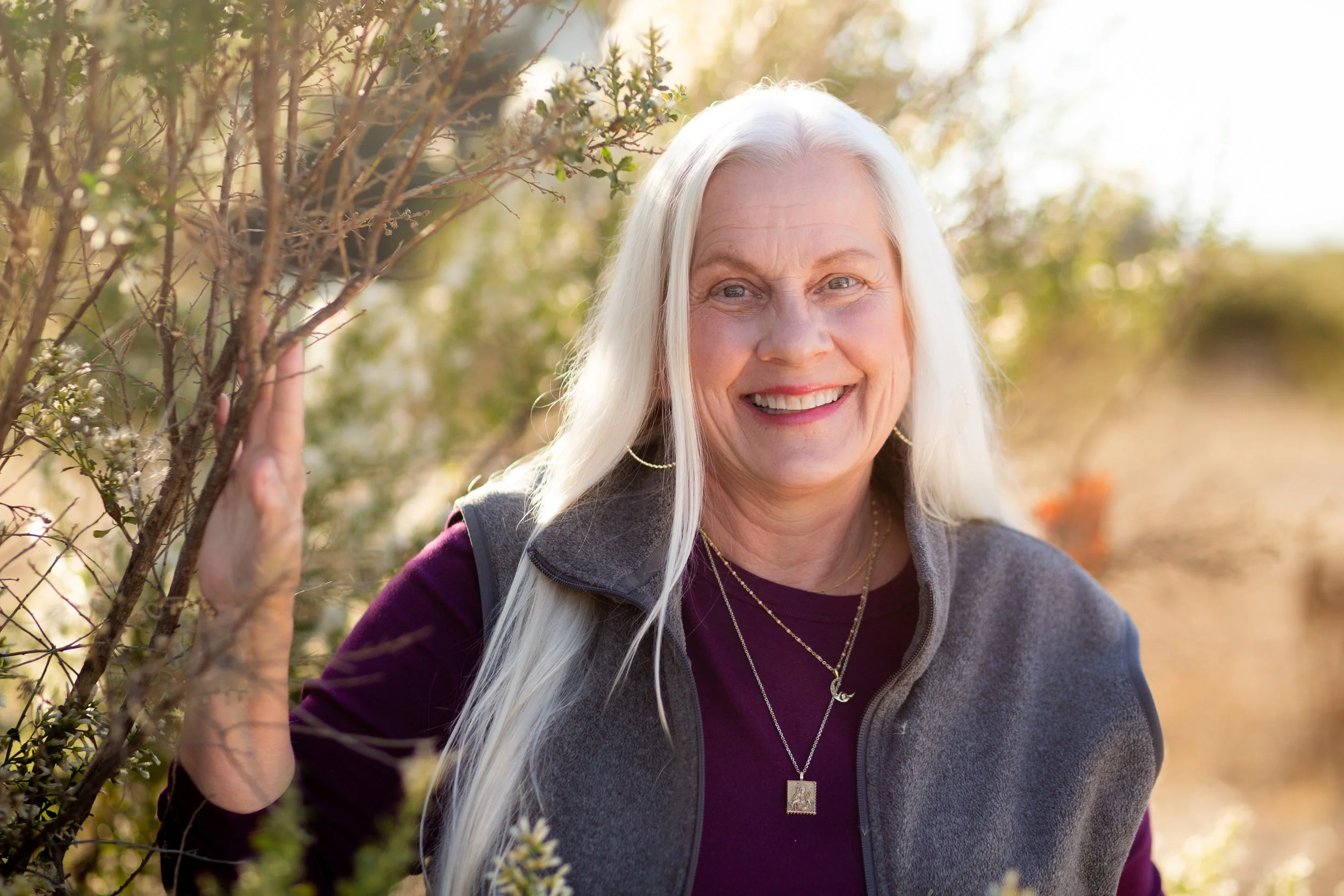
I have been working with Tara for several years, and have learned so much. My voice and technical skills have improved in significant ways. Working with Tara has also helped me with music theory. Most importantly, my confidence as a singer has never been higher. She is an inspiring and encouraging teacher.
Rose H.
-
![]()
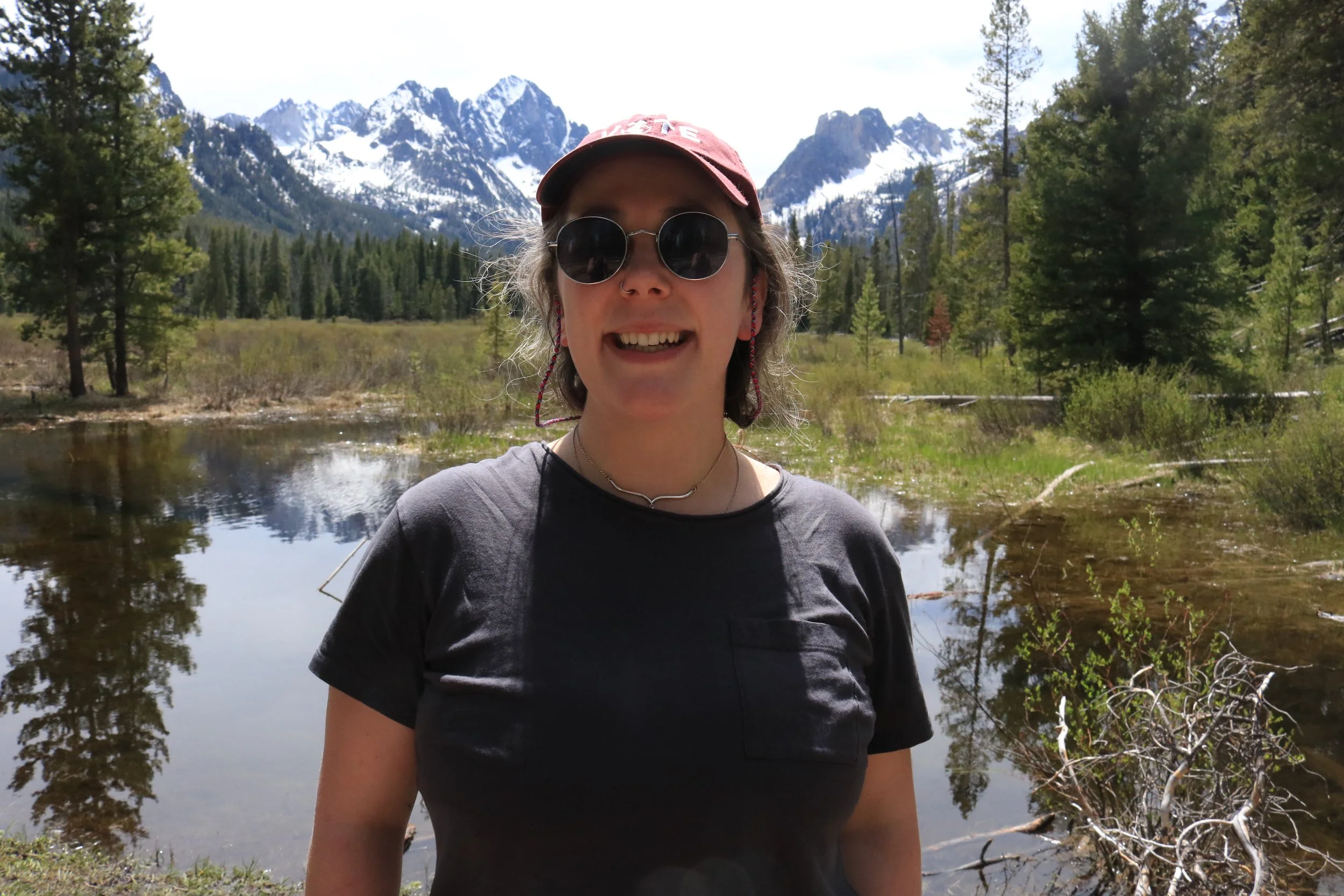
I have been taking lessons with Tara for over a decade now. And, now it's beyond what I could have ever imagined for my voice. I am a soprano, and when I came to Tara, I had high notes but an extremely under-developed overall voice. I love the way my voice sounds now, and I really understand what is going on with the muscle systems and the cords themselves. Tara teaches in easy-to-understand yet anatomical terms, which shows she really knows the voice in a scientific way. I would whole-heartedly recommend her to anybody and everybody who wants to sing healthily and beautifully. More over, she is an incredible performer and hard worker! She is a dream to work with - extremely intelligent, honest, patient, kind, and definitely knows her worth.
Katalin P.
-
![]()
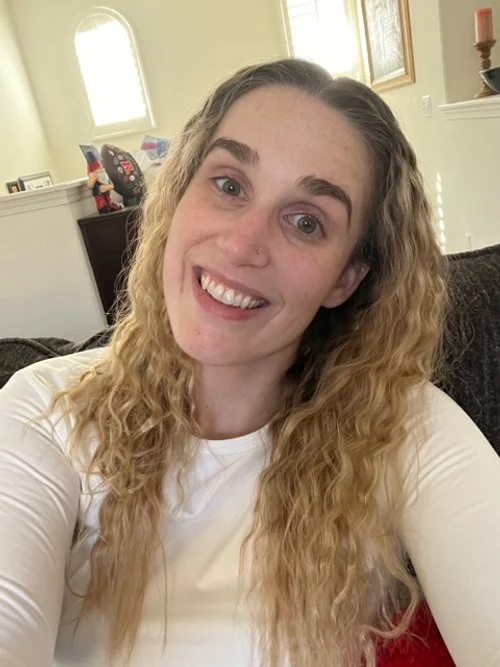
I can honestly say that my voice would not be in the shape that it is in without Tara! I have always loved to sing, but went a few years without singing technically and I never learned how to actually sing properly. Thanks to her, I now know how to protect my voice and she really takes the time to explain all of the intricacies of the vocal cords so you can reach your full potential. Can’t say enough of how instrumental she has been in my vocal journey!
Sophia C.
-
![]()
I’ve benefited extensively from Tara’s instruction over the last two years. I’m a bass, and primarily sing choral music and classical solo repertoire. Tara has helped me develop rich, full resonance, a vigorous, blended falsetto, and a larger range than I ever thought I’d have. Tara’s emphasis on strengthening and coordinating the different muscle systems of the voice has made me a much more robust and versatile singer. I highly recommend Tara to any singer looking to develop a strong, agile, integrated voice. Beautiful singing isn’t a matter of technique only, but a question of proper athletic training of the vocal muscles and anatomy. Tara delivers the training you need to sing with agility, flexibility, and liberated musical artistry.
Caleb H.
-
![]()
Tara saved my voice and teaches a rare technique that should have been the standard. I have worked with many teachers in the past and she is the kindest of them all. Taking lessons from her and putting in the effort will work wonders. If you have a genuine desire to pursue music professionally then taking lessons with her is the best thing you can do for yourself.
Alexandra C.

Lessons
In this 30 minutes lesson, we will begin with where your voice is technically that day, using vocal exercises to trigger a muscular response that will further develop your overall technique. I will explain what we are doing and WHY. We will then apply these techniques to repertoire (songs you are interested in and that are technically appropriate for your voice’s development). We will also incorporate musical skills, some theory, ear training and answer any questions you may have.
30-Minute Private Voice Lesson-
1 Hour Private Voice Lesson -
Like the 30 minute option, we begin with where your voice is that day, with technical exercises to evoke the building of the muscular response needed to advance your technique and healthy singing. I explain what we are doing and WHY. With extra time to work on several songs, we can address different musical styles, expression and drama, plus spend time on sight reading, musical skills, and more.

Give the gift of singing! Gift cards are available.
-
Beginner
The first steps are so exciting! Explore new repertoire and genres as we learn about vocal registration, blend, and resonance. Establish the pharyngeal (middle voice), commit sensations to muscle memory. We will touch on music theory basics as well, including solfege.
-

Intermediate
At this stage, we enhance resonance adjustment, solidify the pharyngeal with more advanced techniques, and start training a healthy turn of the top (belt). Continued development of musicianship, sight-reading, and more complex repertoire all add to the singer’s growing confidence.
-
Advanced
Once the voice is more established and consistent, we apply advanced techniques including turning the top-laryngeal suspension, triple resonance, and registration blend options! If the voice is changing due to menopause or age, we address the instrument and what it needs directly. We continue growing with advanced repertoire in various genres for artistic expression.
-
Teacher
Learn how to build a healthy voice by training your ear to identify the muscular and functional needs of any voice type, then how to trigger the vocal muscle responses through the correct vocalises, and applying these techniques according to musical genre. Significant time is spent on vocal function and physiology, addressing the cause, exercises, responses, implementation in music, and long-term results.
FAQs
What is your philosophy to good singing?
My philosophy is to support and educate vocalists (and teachers of voice) in their quest to learn, sing, and teach. I believe that with vocal truth (physiology of voice), we can train the instrument with the utmost skill, allowing true artistry to live in conjunction with the vocal apparatus. I believe that everyone has the potential to sing well if they have the desire and the proper training. Don't hesitate to try to improve your singing with voice lessons. I use creative and holistic techniques based on science and physiology of the voice to bring guaranteed results. If you are dealing with vocal issues due to age, menopause, or injury, we can rebuild your voice!
What do you mean by registration?
I build perfect registration with a seamless blend from low to high notes! Chest and head voice/falsetto must be equally strong first, then we engage the pharyngeal. As that gains in strength, we begin to hear a better blend, and finally, overlap the registrations with more advanced techniques involving resonance adjustment. This requires special skills to hear FUNCTION and be able to address the cause of inbalance with the solution to rebalance, strengthen, and grow.
Who are your vocal pedagogue influences?
A long time mentor of mine, Dr. Joel Ewing, not only helped me master my voice, but also gave me all the tools and training to become a great teacher. Many of those tools were in-depth pedagogy classes in which we studied the writings and works of some of his great teachers including Herbert Caesari, William Vennard, Cornelius Reid & others. This beautiful lineage of singing and teaching of singing goes back (believe it or not), all the way to BEETHOVEN! I have read dozens of vocal pedagogy books, books on singing, etc, but the truth is, they are all NOT good. Knowing the difference AND WHY, is imperative, or a teacher will pass on dangerous and un-useful information to their students. I’m grateful to have worked with the best in our modern time. In addition, my musical training started at age 5 with piano (at the collegiate level in high school), and continued with guitar, songwriting, choir, musicals, etc. up until college. I studied choral conducting with Dr. Jeffrey Rickard (renowned choral director and composer). My own musical interpretation and expression are from within, a deep passion that I get from my life experiences and love toward music, and strong faith.
How does the lesson go?
Students are required to record their lessons so they can practice with it at home. The lesson is divided in 1/2 - first half is technique: vocalises/exercises that I give the student based on what I hear in the function of the voice that needs work and balancing. I am listening to what is happening in the larynx and pharynx/resonating cavities and I begin to do my work adjusting the muscular systems through catered vocal exercises. The exercises are specifically intended to trigger a muscle response that puts the apparatus in better balance progressively as the weeks go on, which results in more permanent, complete vocal technique (blended registration, strong volume, and perfect pitch).
After this vocalise work, then we go into working on songs/repertoire and dramatic elements, musicality and having fun while singing! The muscles will be in better shape from the exercises, and as the lessons continue, the student will notice an obvious improvement in how they sound, and how much easier (and enjoyable) singing is. The songs will improve almost instantly as the voice's muscles improve! I will also integrate musical theory and sight-reading when I feel the student will benefit, or if they are interested. I expect the student to review the recording daily, if possible, singing with the vocalises and remembering how to apply things we talk about to the songs.
Get in touch
Have a question about lessons? We can arrange a call for a 15-minute consultation.